
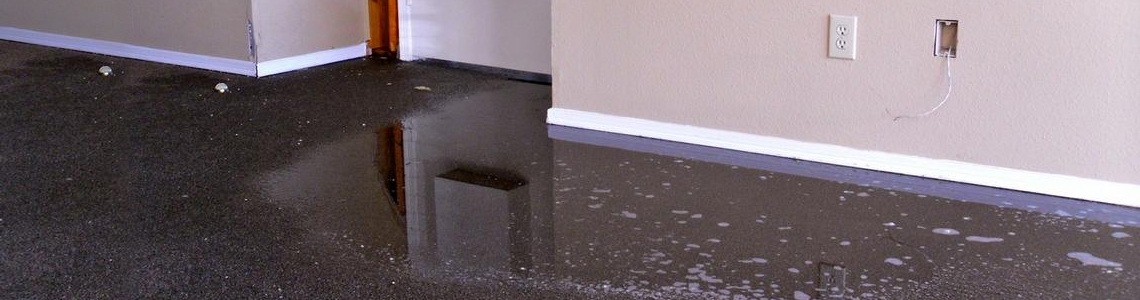
The 3 Categories of Water Damage Explained
The categories of water damage describe how contaminated water is and help restoration professionals determine the safest way to clean and dry a property. The IICRC recognizes three categories: Category 1, Category 2, and Category 3. Each involves different sources, contamination levels, and restoration needs.
Northeast Power Dry has provided water damage restoration in New Jersey for more than a decade. Our IICRC-certified technicians use industry standards to assess water damage and determine an appropriate restoration plan for homes and businesses.
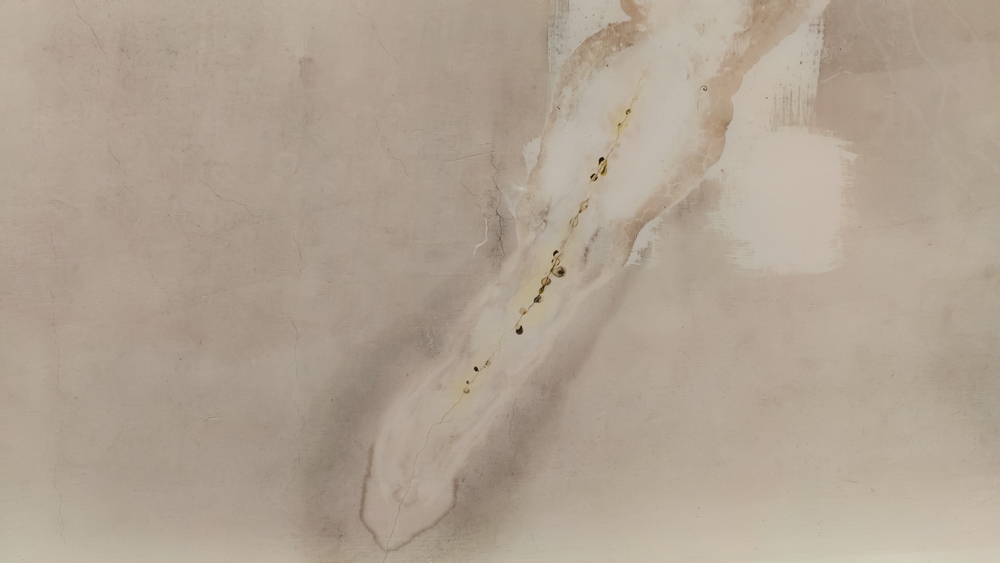
Why Water Damage Categories Matter
Understanding the categories of water damage helps explain what precautions may be necessary after a leak, backup, or flood. The ANSI/IICRC S500 Standard for Professional Water Damage Restoration provides industry guidance for assessing and restoring water-damaged residential and commercial properties.
The category can influence important parts of the restoration process, including:
- Safety: Higher levels of contamination require greater precautions and protective equipment.
- Materials: The water source and contamination level help determine which materials may be cleaned and dried and which may need removal.
- Restoration: The category helps professionals determine appropriate cleaning, extraction, and drying methods.
Who Determines the Water Damage Category?
A trained restoration professional evaluates the water source, where the water traveled, what materials it contacted, and the conditions at the property. Water that looks clear is not automatically Category 1 because contaminants may be present even when they are not visible.
Does the Category Affect Insurance?
The category can affect how a restoration company documents the damage and cleanup, but insurance coverage generally depends on the cause of the loss and the terms of the individual policy. Professional documentation can provide useful records during the claims process.
Homeowners should review their policy or speak with their insurance provider about water-backup coverage, especially for sewer or sump-pump losses. FEMA notes that sewer-backup coverage is often provided through a policy endorsement rather than standard homeowners coverage.
The 3 Categories of Water Damage Explained
The three categories of water damage describe the level of contamination in the water, not how much water is present. As contamination increases, so do the safety precautions and restoration steps needed to address the damage.
Category 1: Clean Water
Category 1 water comes from a sanitary source and poses a relatively low contamination risk when the loss first occurs. Common examples can include a broken water supply line, an overflowing sink, or an appliance supply-line leak.
When addressed quickly, many affected materials may be dried and saved. Professional water extraction, air movement, and an industrial dehumidification process can help remove moisture from materials and the surrounding air.
However, even clear-looking water should be professionally assessed. Water conditions can change as it travels through a building, contacts contaminated materials, or remains standing.
Category 2: Gray Water
Category 2 water contains enough contamination to potentially cause illness or discomfort if someone comes into contact with or consumes it. Situations can include washing-machine discharge, dishwasher overflow, sump-pump failures, and some toilet overflows without fecal matter.
Restoration professionals use additional precautions when handling Category 2 water. Depending on the materials affected and how long they have been exposed, some porous materials may need to be removed rather than dried in place.
Water conditions can also worsen over time. That makes prompt assessment, extraction, and drying important even when the damage does not initially appear severe.
Category 3: Black Water
Category 3 water is grossly contaminated and can contain harmful microorganisms or other contaminants. Sewage backups, toilet overflows containing fecal matter, and contaminated floodwater are common examples.
Because of the contamination risk, Category 3 water requires professional precautions during cleanup. Many porous materials exposed to this water cannot be adequately cleaned and restored and may need to be removed. Professional sewage removal helps ensure contaminated water and affected materials are handled using appropriate restoration procedures.
Category 3 cleanup is not a DIY project. Avoid direct contact with contaminated water and contact a trained water restoration professional for an assessment.
Water Damage Classes vs. Categories — What’s the Difference?
Water damage categories and classes describe two different parts of a water loss. Category describes the level of contamination, while class describes the extent of water absorption and the drying conditions involved.
The 4 Classes of Water Damage at a Glance
- Class 1: A limited amount of water affects a relatively small area and materials absorb little moisture. One example could be a small supply-line leak discovered quickly.
- Class 2: Water affects a larger area and has moved into materials such as flooring, carpet, cushions, or walls. A basement room affected by a plumbing leak could fall into this class.
- Class 3: A significant amount of water has saturated materials such as walls, ceilings, insulation, carpet, or subflooring. A burst pipe above a finished room is one possible example.
- Class 4: Water has penetrated materials that are more difficult to dry, such as hardwood, concrete, plaster, or brick. These situations can require specialized equipment and extended drying.
Why Both Class and Category Matter
A water loss can have both a category and a class. For example, a professional might identify a loss as Category 1, Class 2. Category 1 describes the contamination level, while Class 2 describes how widely moisture has affected the property.
Together, these classifications help restoration professionals determine safety precautions, drying needs, and the scope of work. Northeast Power Dry evaluates these conditions as part of its professional water damage restoration process.
Common Mistakes Homeowners Make After Water Damage
Knowing the category of water damage can help you understand the situation, but every water loss is different. The source, affected materials, contamination level, and amount of moisture all influence the right response. Avoid these common mistakes after discovering water damage:
- Waiting too long to address the water: Delays can allow contamination conditions to worsen and increase the chance of mold growth. The EPA recommends drying water-damaged materials within 24–48 hours when possible to help prevent mold growth.
- Assuming clear-looking water is automatically Category 1: Appearance alone does not determine the category. Professionals also consider the source, where the water traveled, and what materials it contacted.
- Relying only on household fans: Fans may help with surface moisture, but water can remain hidden inside flooring, walls, and other materials. Professional moisture detection, air movement, and dehumidification may be needed.
- Throwing away damaged materials immediately: Take photos and document visible damage before disposing of materials when it is safe to do so. These records may be useful during restoration and the insurance claims process.
- Attempting contaminated-water cleanup yourself: Category 2 and Category 3 losses may require protective equipment and specialized cleaning procedures. Avoid direct contact and have the conditions professionally assessed.
For a small Category 1 loss, basic steps such as stopping the water source may be appropriate when they can be performed safely. However, not every water loss requires the same response. If you are dealing with active or potentially contaminated water, Northeast Power Dry provides 24/7 help for water damage emergencies.
Frequently Asked Questions
What are the 3 categories of water damage?
What is Category 3 water damage?
Can Category 1 water damage become more contaminated?
Does homeowners insurance cover all three categories of water damage?
Comments are closed.
