
The 10 Most Common Causes of Basement Flooding
Did you know that basement flooding is more common than you think? Basements are most prone to flooding during a rainstorm. However, they can be unexpected and happen at any time of year with the potential to cause severe damage to your home. They can also lead to mold, mildew, and other bacteria growth. Therefore, it’s essential to know how to prevent basement flooding from happening in the first place. Here are the 10 most common causes of basement flooding.
What causes basement flooding?
1. Plumbing Leaks
Plumbing leaks are one common cause of basement flooding. To determine if you have a plumbing leak, it’s crucial to observe your entire plumbing system, along with the main water line outside of your home. Once you discover the source, you should call a plumbing company ASAP, so they can help you fix it.
2. Sewer Backup
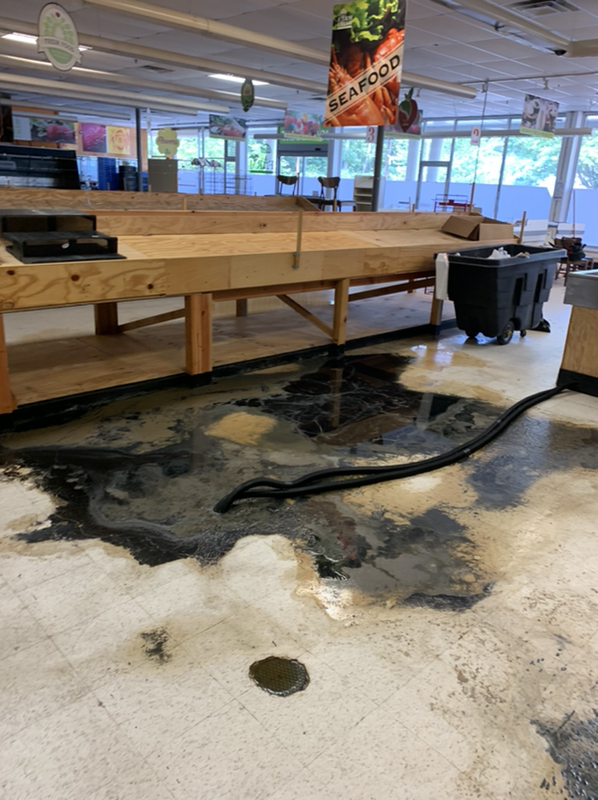
Sometimes, your basement may flood due to a sewer backup. Water coming from the floor, sink drains, or toilet often indicates this issue. However, in some cases, tree roots that grow around your main line can cause this. Let’s face it—no one wants sewage backup seeping into their basement. Taking proper measures like not flushing anything but toilet paper or installing a sewer backup valve can be useful in keeping this from happening.
3. Drainage System Failure
Your drainage system is responsible for preventing basement flooding from happening in the first place. That said, sometimes drainage systems malfunction, which could remove that safety barrier. A plumbing company will be able to determine the issue with your drainage system. However, in the meantime, you should remove your personal belongings from the basement to prevent further damage.
4. Poor Weatherproofing
Since storms are typically what cause basement flooding in the first place, your home should be properly weatherproofed with a durable sealant and epoxy injection. Any cracks in the wall should also be filled with hydraulic cement. Sump pumps are also a very useful installation because they will collect any water that has accumulated.
5. Improperly Installed Downspouts Causes of Basement Flooding
Improperly installed downspouts are another factor that could play a role in basement flooding. Downspouts, also commonly referred to as drainpipes, are vertical pipes located outside of your home. Their job is to move water away from your home and into your drainage system. If you think your downspout was improperly installed, it doesn’t hurt to contact a plumbing company to make sure.
6. Hot Water Tank Failed
Hot water tanks are responsible for the hot water you use in your home. If your hot water tank fails, your basement is at risk of flooding. Due to the temperature of the water, hot water tank damage can cause major damage to your basement, and your water tank will need to be replaced entirely. Regular maintenance of your water heater can help prevent a hassle like this from occurring.
7. Clogged Gutter
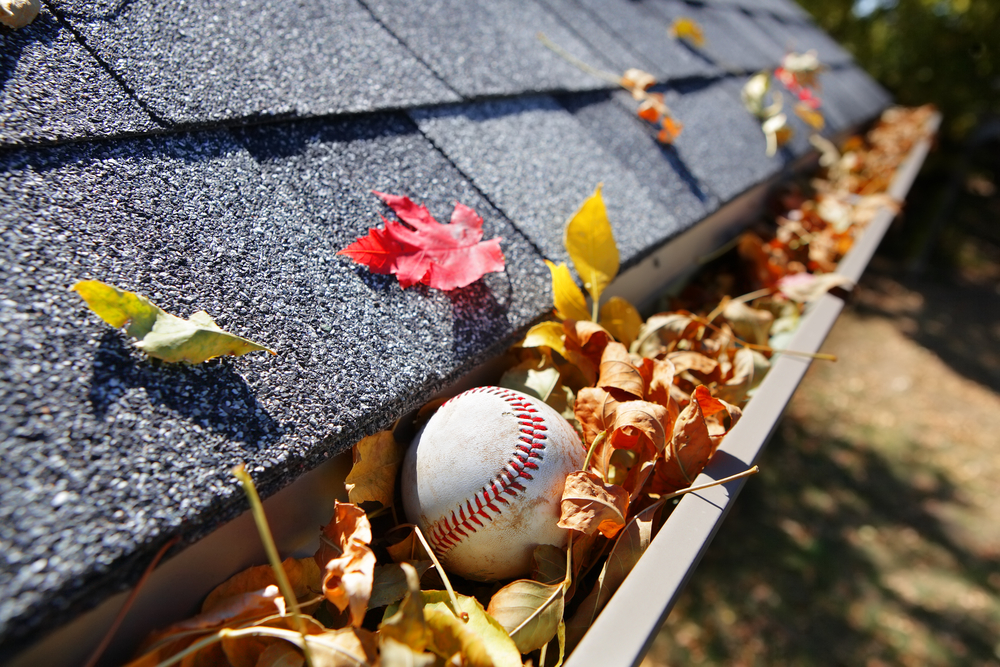
After the water passes from your roof and downspouts, it makes its way into the gutter. Gutters work by draining the rainwater from your home. If gutters overflow from an oversupply of water or debris, the remaining water can leak into your basement and cause flooding. A great way to prevent gutter clogging is to have it cleaned on a regular basis. You can also install something called gutter guards, which filter out debris like leaves or tree branches.
Related Article: Water Damage Prevention: 10 Ways to Protect Your Home
8. Sump Pump Failure
While sump pumps provide an extra layer of protection against basement flooding, they run the risk of failure as well. This will usually happen in response to an electrical outage and/or a heavy storm. If you suspect that this is the case, be sure to have your sump pump repaired or reinstalled by a reputable plumbing company.
9. Broken Supply Lines/Appliances
Broken supply lines or leaks from other appliances (ex. washing machines) are other causes of basement flooding. It’s always important to contact your local plumbing company right away if you notice any changes to your usual appliances.
10. Poor Sealing Causes of Basement Flooding
Proper sealing isn’t only important when it comes to your basement’s walls. Improper sealing could cause just as much damage. Even the tiniest cracks or openings in your tiles could lead to water drainage into your basement, especially in the event of a storm.
Flooded Water Damage Basement Restoration and Cleanup
Have you received water damage in your basement? Our contractors at Northeast Power Dry are here to help with our 24-hour emergency services for water damage and water removal. Give us a call today at 888-379-7970 or contact us here.
Flooded Basement FAQs
What should I do immediately after my basement floods?
First, address the source of the water if it is safe to do so and avoid entering standing water if there may be an electrical hazard or contaminated water. Remove valuables and belongings from the affected area when it is safe, and document the damage with photographs for your records. Standing water should be removed as quickly as possible, followed by thorough drying of affected floors, walls, and other materials. If the flooding is extensive or has affected building materials, professional water damage restoration can help identify and address moisture that may not be visible.
Why is my basement flooding even though I have a sump pump?
A sump pump does not prevent every type of basement flooding. The pump may be overwhelmed by the amount of incoming water, lose power, malfunction, or have a discharge problem. Water can also enter through foundation cracks, walls, floors, windows, or other areas that do not drain directly into the sump pit. If your basement continues to flood despite a functioning sump pump, identifying where the water is entering can help determine whether the problem involves the pump, drainage system, or foundation.
How can I tell if my basement flood is from groundwater or a sewer backup?
The location and appearance of the water can provide clues, although a professional may be needed to determine the source. Groundwater or stormwater often enters through foundation walls, floor cracks, windows, or the wall-floor joint, particularly after heavy rain. Sewer backups may cause water or wastewater to come up through floor drains, toilets, sinks, or other plumbing fixtures and may have an unpleasant odor or visible contamination. If you suspect a sewer backup, avoid contact with the water and have the source evaluated before beginning cleanup.
Does homeowners insurance cover basement flooding?
Coverage for basement flooding depends on what caused the water damage and the terms of your insurance policy. Some policies may cover certain sudden and accidental water losses, while flooding caused by groundwater, surface water, or other excluded events may require separate coverage. Sewer or drain backup may also be subject to specific coverage or endorsements. Because policies vary, contact your insurance provider promptly after significant basement flooding to determine what coverage may apply.
Comments are closed.
